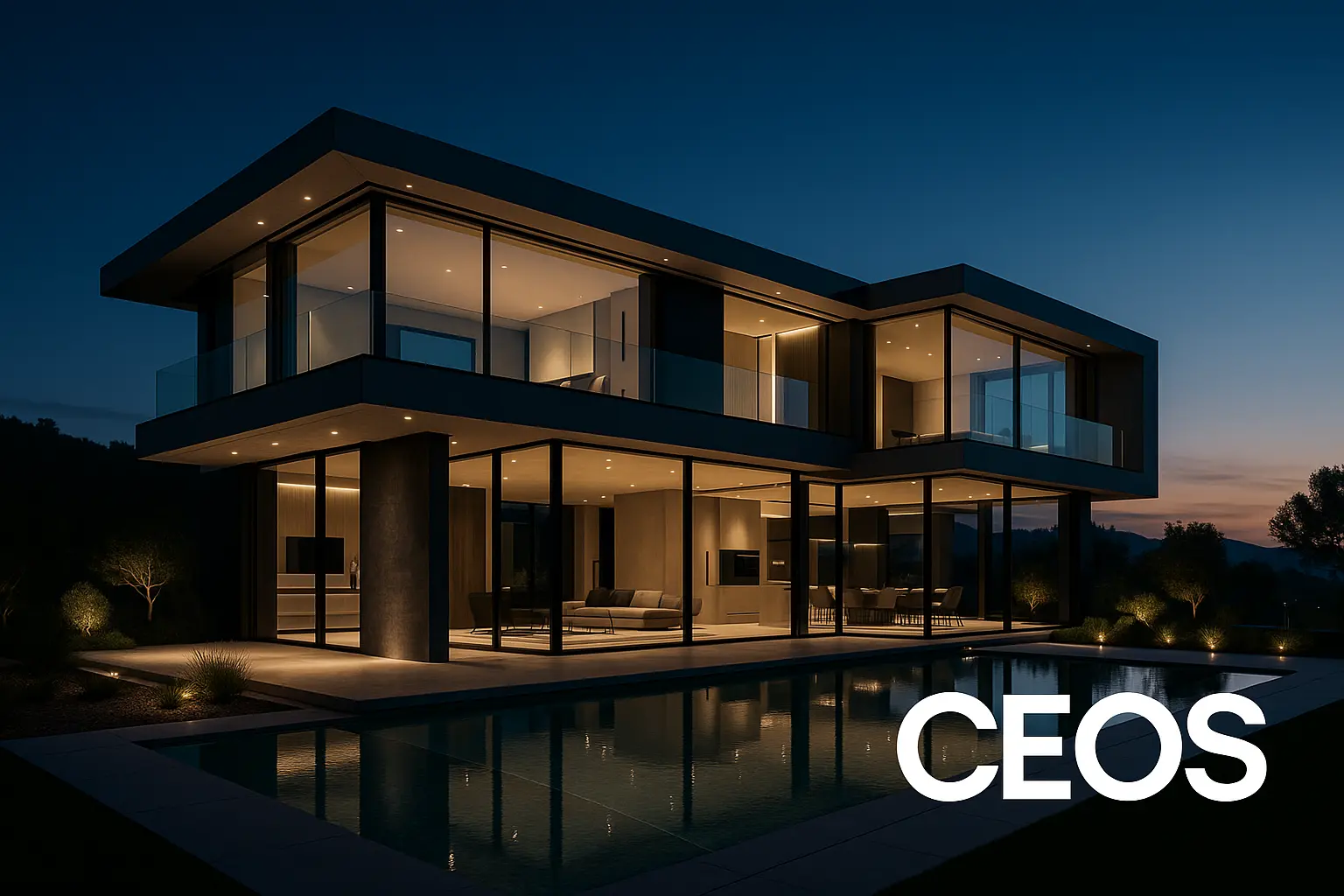
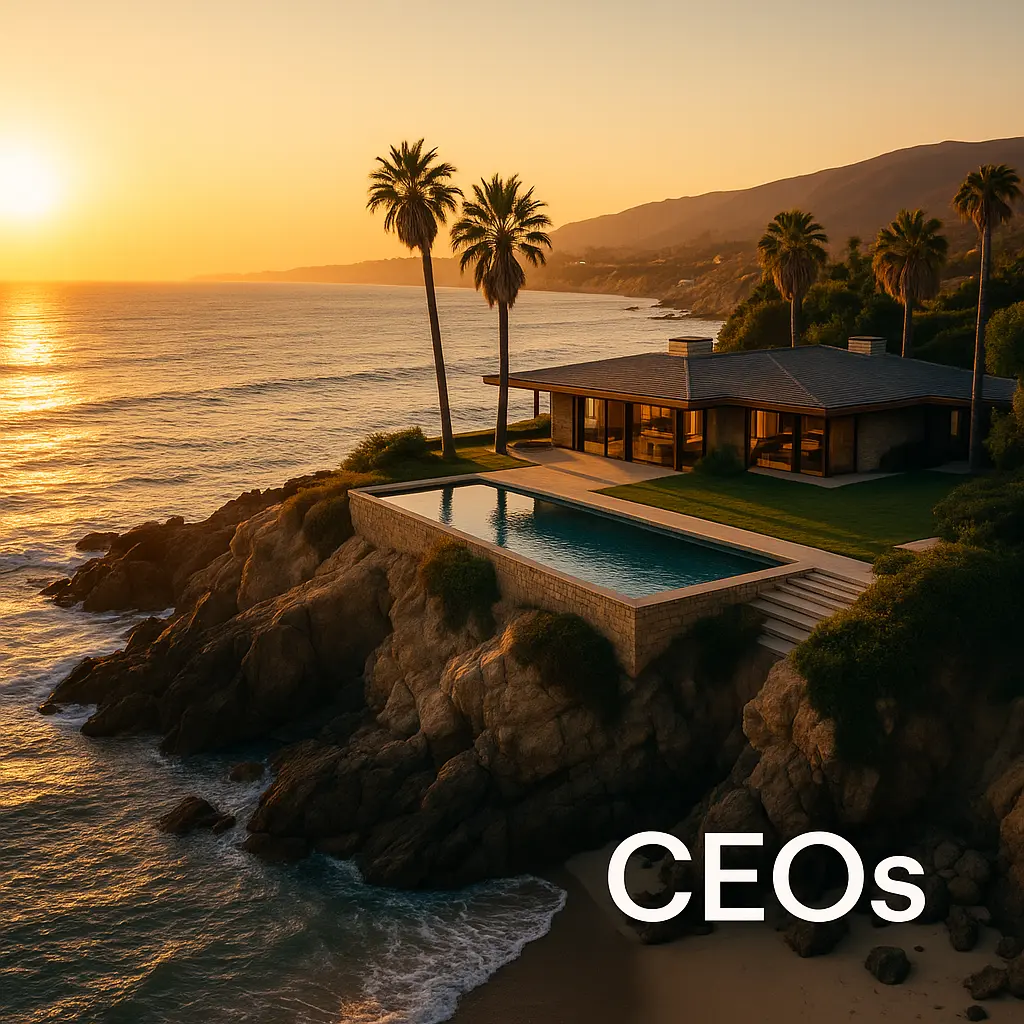
When the morning rises over Palm Beach and the first sunbeams gild the glass façades of the oceanfront mansions, a scene unfolds that speaks louder than words: wealth is not merely a condition—it is an experience. In the United States—home to the largest and most diverse luxury real estate market in the world—prosperity becomes visible, tangible, and livable.
For years, capital has streamed into the most exclusive ZIP codes across the country. Family offices, international investors, tech entrepreneurs, and HNWIs follow a clear philosophy: Prime Real Estate is not simply ownership—it’s a strategic decision rooted in stability, status, and long-term security.
Why the elite are drawn to the U.S. luxury market
The power of stability
In a world that grows more cyclical and volatile, the U.S. market remains a reliable anchor.
Clear property rights, deep markets, and high liquidity create an environment where luxury real estate performs with significantly less risk than many other asset classes.
The dollar as a shield:
A property in a U.S. prime location is always also an investment in the strongest currency in the world—a built-in layer of protection for international wealth.
Demand driven by the elite themselves
The U.S. is home to the densest concentration of ultra-wealthy individuals worldwide:
- 5 of the 10 cities with the highest UHNW density
- tens of thousands of multimillionaires in Florida, New York, and California
This buyer base creates a marketplace that functions even through economic turbulence.
Luxury as a lifestyle investment
A mansion in Miami is not just an asset.
- A penthouse in Manhattan is not just capital.
- A ranch estate in Texas is not just land.
It is a living space, a symbol, a statement.
Investors are buying not only square footage—but emotion, identity, status, and future.
The trends transforming the market
Technological luxury
The new generation of prime estates is digital, secure, and fully personalized:
- biometric access systems
- smart building automation
- AI-driven energy management
- private wellness spas and ice baths
- advanced security architecture
Luxury today means peace, protection, control, and customization.
Lifestyle as architecture
U.S. luxury properties merge design and experience:
- seamless indoor-outdoor living
- infinity pools overlooking the ocean
- sky lounges and rooftop sanctuaries
- private cinemas, wine cellars, and show garages
Aesthetics are no longer an accessory—they have become an investment factor.
New ownership models
The wealth elite operates globally—and the market evolves with them:
- fractional ownership
- co-investment structures
- tokenized real estate
- private off-market deals
The future is hybrid, digital, and borderless.
The four power markets: Florida, Texas, California & New York
Florida – The epicenter of growth
Miami. Palm Beach. Naples.
Florida blends lifestyle, tax advantages, and international prestige.
- no state income tax
- strong migration from high-tax states
- globally coveted waterfront locations
In Florida, luxury isn’t consumed—it’s lived.
Texas – The underestimated titan
Dallas. Austin. Houston.
Texas is expanding—economically, culturally, financially.
- tech inflow
- corporate relocations
- favorable taxation
- more space, more land, more design freedom
Texas delivers luxury supported by strong fundamentals.
California – The icon of the West Coast
Malibu. Bel Air. Silicon Valley.
Few places combine nature, design, and status so powerfully.
- dramatic coastlines
- global tech elite
- iconic architectural masterpieces
Even with regulatory challenges, California remains a global synonym for exclusive living.
New York – The capital of ultra-luxury
Skylines. Penthouse views. Central Park.
New York remains the pinnacle of urban sophistication.
- world’s financial hub
- consistently strong demand
- residential architecture as art
Even during volatile cycles, Manhattan shines with global prestige.
Returns with long-term vision
Value appreciation
Prime coastal and urban locations have shown decades of sustained growth.
Scarcity drives structural price elevation.
Rental income
Short-term luxury rentals, corporate housing, ultra-premium leases—demand remains robust.
Vacancy rates are lower than in mainstream markets.
Emotional return
The lifestyle dividend includes:
- prestige
- privacy
- comfort
- global recognition
Taxes, structure & strategy
Attractive conditions
- tax-free states (e.g., Florida, Texas)
- depreciation boosts after-tax efficiency
- 1031 exchanges enable tax-efficient portfolio rotation
- Regulatory complexity
For international investors:
- a U.S. tax advisor (CPA) is essential
- state-by-state differences matter
- local regulations influence pricing and potential
Risks & opportunities – the honest balance
Risks
- rising interest rates
- coastal climate risks
- regulatory intervention in certain markets
Opportunities
- global capital inflow
- expanding luxury buyer base
- long-term security
- high resale value
- strong international prestige
Conclusion
The power of this market lies not only in the numbers.
U.S. luxury real estate represents a lifestyle: freedom, scale, and vision.
Those who invest here aren’t just buying a house—they are buying the future.
A place where space, design, and status merge into personal identity.
U.S. Prime Real Estate is more than wealth. It is a form of power.